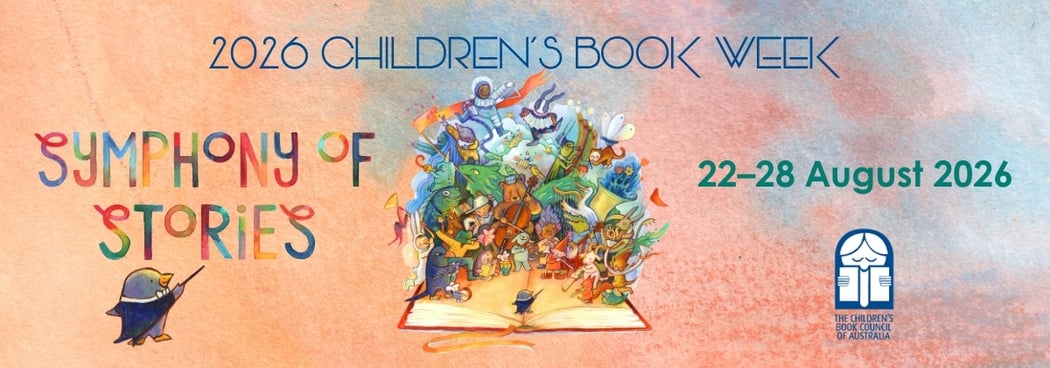
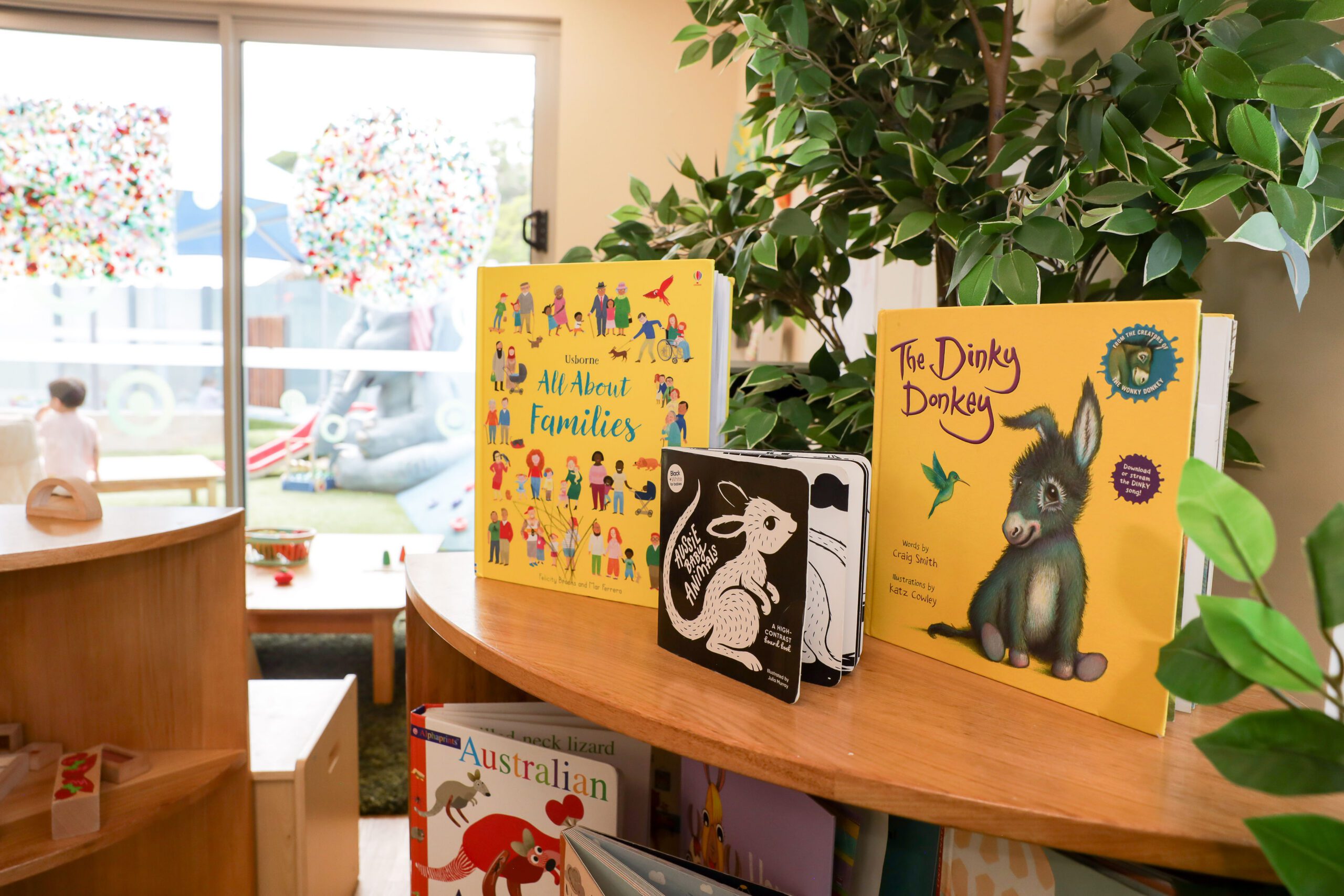

It's 7:45pm, the same picture book has been requested for the fourth night running, and you're doing the funny voice for the dog character again, badly, and your child doesn't care. That scene plays out in loungerooms and reading corners across the country every night of the year, but during Book Week (22-28 August 2026, theme "Symphony of Stories," marking 80 years of the CBCA Book of the Year Awards) it gets a bit of extra shine: dress-ups, decorated reading nooks, a room full of characters brought to life. What's worth noticing, underneath the costumes, is what that fourth re-read is actually doing for your child, and it's more than you'd think.
What a Good Story Is Actually Doing
Raising Children Network's research on early literacy points to a few developmental gains that come from regular story time, whether it's a polished Book Week activity or the same board book on repeat:
- Language - repeated exposure to vocabulary in context, well before formal reading begins.
- Empathy - stories featuring a range of characters and experiences support early perspective-taking.
- Imagination - narrative structure gives children practice in symbolic and sequential thinking.
- School readiness - the literacy experiences children have before school build the foundations used for language, thinking and understanding.
That fourth re-read isn't a sign your child is bored of the book, it's usually a sign it's working. Repetition is how young children consolidate language, and it's one of the reasons educators choose books deliberately rather than at random: what gets read again and again matters.
What a Good Story Is Actually Doing
Raising Children Network's research on early literacy points to a few developmental gains that come from regular story time, whether it's a polished Book Week activity or the same board book on repeat:
- Language - repeated exposure to vocabulary in context, well before formal reading begins.
- Empathy - stories featuring a range of characters and experiences support early perspective-taking.
- Imagination - narrative structure gives children practice in symbolic and sequential thinking.
- School readiness - the literacy experiences children have before school build the foundations used for language, thinking and understanding.
That fourth re-read isn't a sign your child is bored of the book, it's usually a sign it's working. Repetition is how young children consolidate language, and it's one of the reasons educators choose books deliberately rather than at random: what gets read again and again matters.
Book Week 2026 Reads: A Few to Try
If you're looking for something new to add to the rotation:
- Dear Zoo by Rod Campbell - a lift-the-flap classic that's been a favourite since 1982, and still one of the best ways to build early vocabulary through its repeated refrain. (Suits ages 1-4)
- The Very Cranky Bear by Nick Bland - rhythmic and funny, and a great excuse for a silly reading voice. (Suits ages 1-3)
- Alpacas with Maracas by Matt Cosgrove - big energy, rhyme, and a whole lot of fun. (Suits ages 2-4)
- It's Okay to Be Different by Todd Parr - bold, colourful illustrations that celebrate everyone's differences, from feelings to families to favourite ways to have fun. (Suits ages 2-5)
- The Colour Monster by Anna Llenas - a well-loved resource for emotional literacy, helping children put a name and a colour to how they're feeling. (Suits ages 2-5)
- The Paper Bag Princess by Robert Munsch - a witty classic about a princess who saves the day her own way. (Suits ages 3-6)
- Julian Is a Mermaid by Jessica Love - a beautifully illustrated story about imagination and being loved exactly as you are. (Suits ages 3-6)
What This Looks Like in Practice
Across our network of centres, educators bring the same intentionality to Book Week that they bring to story time every other week of the year, choosing titles that reflect the children in the room, pairing a dress-up day with a conversation about how a character was feeling, or using a story as the starting point for a longer piece of play rather than a one-off activity. Families are often part of that too, sharing a favourite book from home or hearing about which character their child picked to be, and why. The costumes are the part everyone sees on the day; the thinking behind the book choice is the part that shows up over time, in a child's vocabulary, their questions, and how they make sense of the world.
One More Story
Eighty years ago, the first Book Week set out to get Australian children excited about books. The theme this year, "Symphony of Stories," is really just a fancy way of saying the same thing: a lot of different voices, all worth hearing. You don't need a costume for that, the fourth re-read tonight will do just fine.