
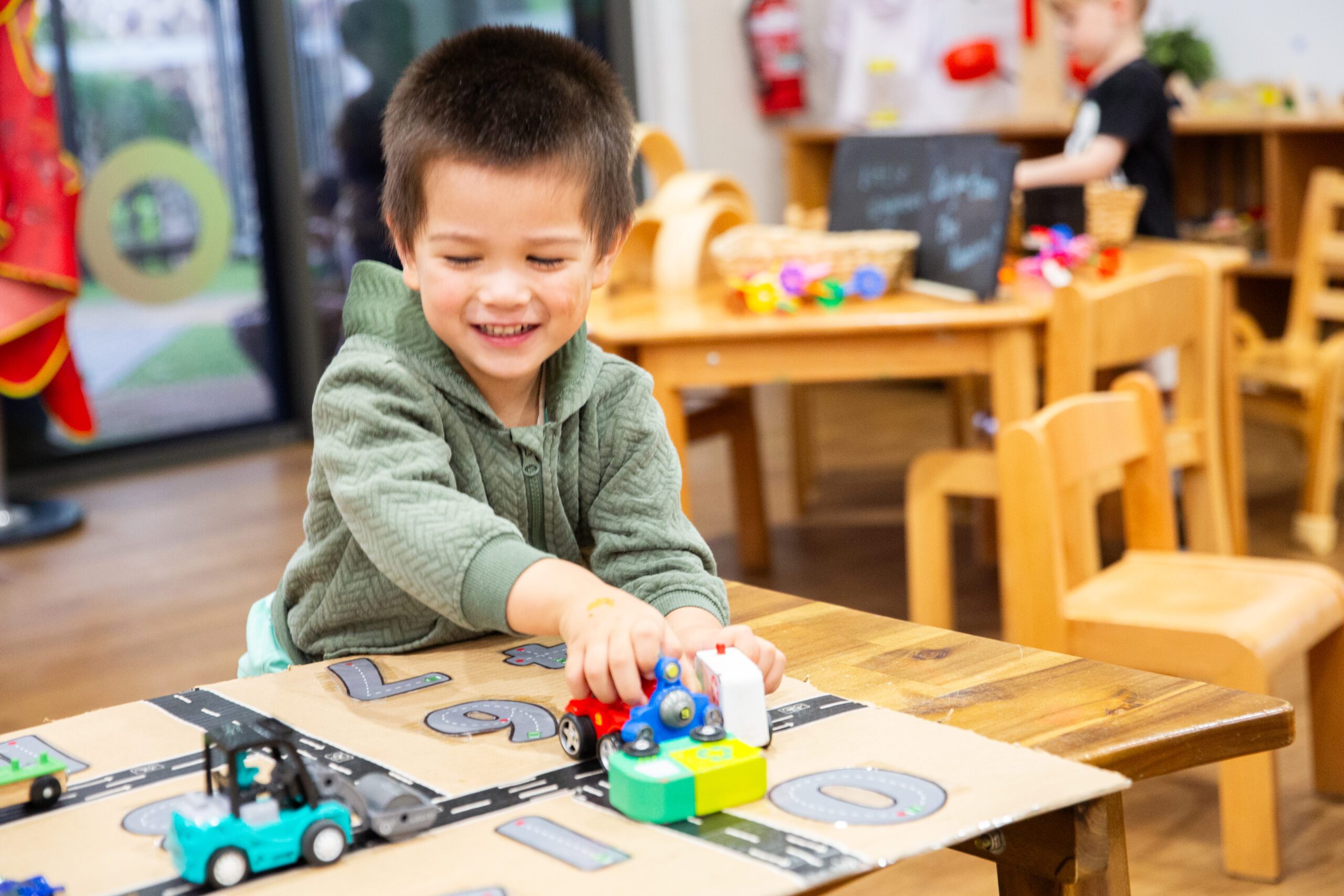

For families choosing early learning today, the decision often feels heavier than it once did.
Parents are more informed. Expectations are higher. And alongside practical questions like location, hours and availability, there’s often a deeper one underneath it all:
“How do I know this is genuinely good for my child?”
At Affinity Education, we work with families across Australia every day. We see the hopes, the questions, and sometimes the quiet uncertainty that comes with choosing early education and care.
Now, in 2026, quality early learning isn’t about doing more.
It’s about doing the right things, consistently, with care and intention.
Quality Childcare Starts With How Children Feel
Before learning can truly flourish, children need to feel safe, known and supported.
In high-quality early learning environments, this shows up in small but meaningful ways:
- children who feel comfortable expressing their emotions
- educators who know each child well - their temperament, interests and needs
- calm, predictable routines that help children feel secure
When emotional safety is prioritised, children are more confident to explore, ask questions and try new things. Learning doesn’t need to be forced; it grows naturally from a sense of belonging.
This foundation matters just as much for babies as it does for preschoolers.
Early Learning That is Intentional, Not Rushed
In 2026, quality early learning is not about pushing children ahead or accelerating milestones before they’re ready.
Instead, it’s about learning experiences that are:
- play-based, purposeful and age-appropriate
- responsive to each child’s interests and strengths
- guided by research and professional practice, not trends
Affinity’s Lifelong Learning Curriculum supports children from birth through to school age, helping educators turn everyday moments, play, conversation, movement and exploration, into meaningful learning.
For families, this provides clarity. You can see what your child is learning, understand why it matters, and feel confident that their development is being supported in a thoughtful, balanced way.
In 2026, quality early learning is less about promises, and more about everyday practice.
Relationships Sit at the Heart of Quality
Ask families what they value most in early learning, and relationships are almost always at the top of the list.
Quality early learning environments are built on strong, respectful relationships between:
- children and educators
- educators and families
- teams working together consistently
When educators are given the time and support to build these relationships, children feel secure and understood, and families feel confident that their child is truly known.
These relationships don’t happen by accident. They’re the result of stable teams, strong leadership and a culture that values connection as much as curriculum.
Educators Who are Supported Make the Difference
The quality of early learning is inseparable from the people delivering it.
Educators shape children’s earliest experiences, and supporting them well is essential. In 2026, quality early learning depends on educators who are:
- well-trained and confident in their practice
- supported by experienced leaders
- given opportunities to learn, grow and build long-term careers
Families often tell us they can feel the difference when educators are supported, in the calm of the environment, the consistency of care, and the trust that develops over time.
For those considering a career in early childhood education, our Careers page outlines how Affinity supports educators through training, development and meaningful career pathways.
Safety, Trust and Accountability
In 2026, families rightly expect high standards when it comes to safety, wellbeing and accountability.
Quality early learning providers take a proactive approach, regularly reviewing practices, investing in training, and maintaining clear systems that protect children.
For families, trust grows when:
- communication is open and transparent
- questions are welcomed and answered thoughtfully
- concerns are taken seriously and addressed promptly
These practices don’t draw attention to themselves, but families notice them every day.
As expectations continue to rise across the sector, so too must the way early learning organisations listen, reflect and continuously improve.
Helping Families Recognise Quality with Confidence
Finding the right early learning environment is deeply personal. No two children, or families, are the same.
What matters most is having the confidence to recognise quality when you see it, ask the right questions, and choose a place that aligns with your values and your child’s needs.
Families can explore Affinity Education centres across Australia using our Find a Centre tool, or speak with local teams who are always happy to talk through what quality looks like in practice.
Quality Early Learning, Now and Into the Future
Quality early learning isn’t static, even in 2026. It continues to evolve alongside research, community expectations and the changing needs of families.
At Affinity Education, our commitment remains simple and steady: to provide early learning environments where children feel safe, families feel confident, and educators are supported to do their best work.
Because when quality early learning is done well, it doesn’t need to be overstated, it’s felt, every day.